
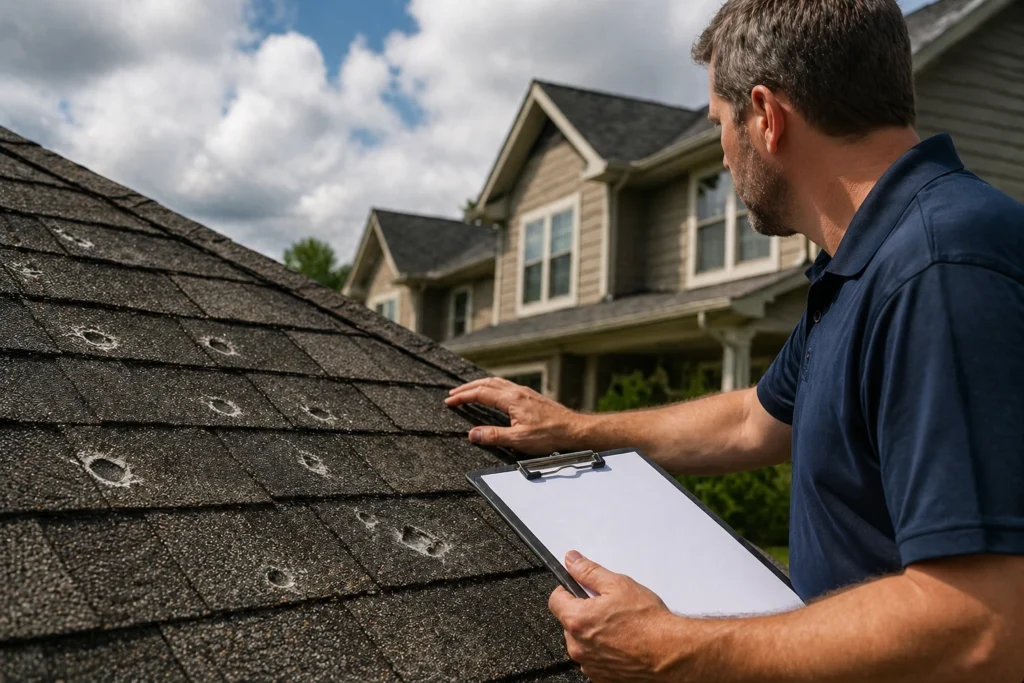
A denied insurance claim can feel like a dead end. You filed everything. You waited patiently. You trusted the inspection. Then the letter shows up denied. It’s frustrating, confusing, and expensive. If you’re searching for What to Do If Your Hail Claim Was Denied in Texas, you’re not alone, and more importantly, you’re not out of options. A denial is not the end of your claim. It’s the moment where strategy begins.
I’ve seen homeowners stop too early. They assume the insurance company has the final word. That assumption costs them thousands. The truth is simple: insurance companies make decisions based on limited information, and if that information is incomplete, the outcome will be too. Your job now is to correct that. This guide walks you through exactly what to do next. Step by step. No fluff. No confusion. Just clear, actionable moves that can turn a denied claim into an approved one.
Understanding Why Hail Claims Get Denied
Before you can fix the problem, you need to understand it. Insurance companies don’t deny claims randomly. Every denial is tied to a specific reason, and those reasons tend to follow patterns. One of the most common is the argument that there is no visible damage. The adjuster may inspect your roof and conclude that while a storm occurred, it didn’t cause functional issues. This doesn’t mean damage isn’t there. It often means it wasn’t properly identified. Another frequent reason is the wear and tear argument. Insurance carriers often classify damage as the result of aging rather than a storm event. This shifts responsibility away from the policy and onto the homeowner. It’s a powerful position for them, but not always an accurate one.
Late filing also plays a role. Policies include strict timelines, and delays can weaken your claim. Even if damage exists, insurers may argue that it cannot be tied directly to a specific storm if too much time has passed. Then there’s documentation. Or lack of it. Weak photos, missing reports, or inconsistent evidence can make a valid claim look unreliable. Finally, policy exclusions come into play. Many homeowners don’t fully understand their coverage until they’re already in a dispute. Certain types of damage, especially cosmetic, may not be covered depending on the policy language. Each of these reasons creates an opportunity. Once you know what the insurer is relying on, you can start building a response that directly challenges it.
Step 1: Carefully Review Your Denial Letter
This is where everything starts. Your denial letter isn’t just a rejection. It’s a blueprint. Read it closely. Then read it again. You’re looking for specific language. Not general statements. Exact wording that explains why the claim was denied. Pay attention to phrases like “no functional damage,” “cosmetic only,” or “consistent with wear and tear.” These are not random. They are the insurer’s foundation.
Also note any references to policy clauses. These sections matter. They define the limits of your coverage and often determine how your claim is evaluated. Understanding the denial letter allows you to focus your efforts. Instead of reacting emotionally, you respond strategically.
Step 2: Compare the Insurance Report vs. Actual Damage
Now it’s time to test the insurer’s conclusion against reality. Take their report and compare it directly to your roof. Not what you remember. What actually exists. Ask critical questions. Did they inspect every slope? Did they document impact points? Did they evaluate underlying damage, or just surface conditions? Initial inspections are often brief. They are designed for efficiency, not depth. That’s where issues arise.
Commonly missed damage includes granule loss, subtle bruising beneath shingles, and minor fractures that worsen over time. These aren’t always visible during a quick walkthrough, but they are real, and they matter. When you identify gaps between the report and actual conditions, you create leverage. That leverage becomes the foundation of your next move.
Step 3: Document Everything the Right Way
Documentation is where claims are won or lost. You’re not just taking pictures. You’re building evidence that tells a clear, undeniable story. Start with high-quality photos. Capture close-ups of impact marks, but also include wide-angle shots that show the overall condition of the roof. Add video walkthroughs to provide context. Movement often reveals details that static images miss. Make sure everything is time-stamped. Dates matter. They connect your damage to specific storm events.
Include weather reports that confirm hail activity in your area. This strengthens the link between the storm and your roof condition. Professional inspection reports add another layer. They translate visual damage into technical findings that insurance companies take seriously. Understanding how to document effectively, especially when it comes to How to Document Hail Damage for an Insurance Claim, gives you a significant advantage. It turns your claim from a statement into proof.
Step 4: Get a Professional Roof Inspection
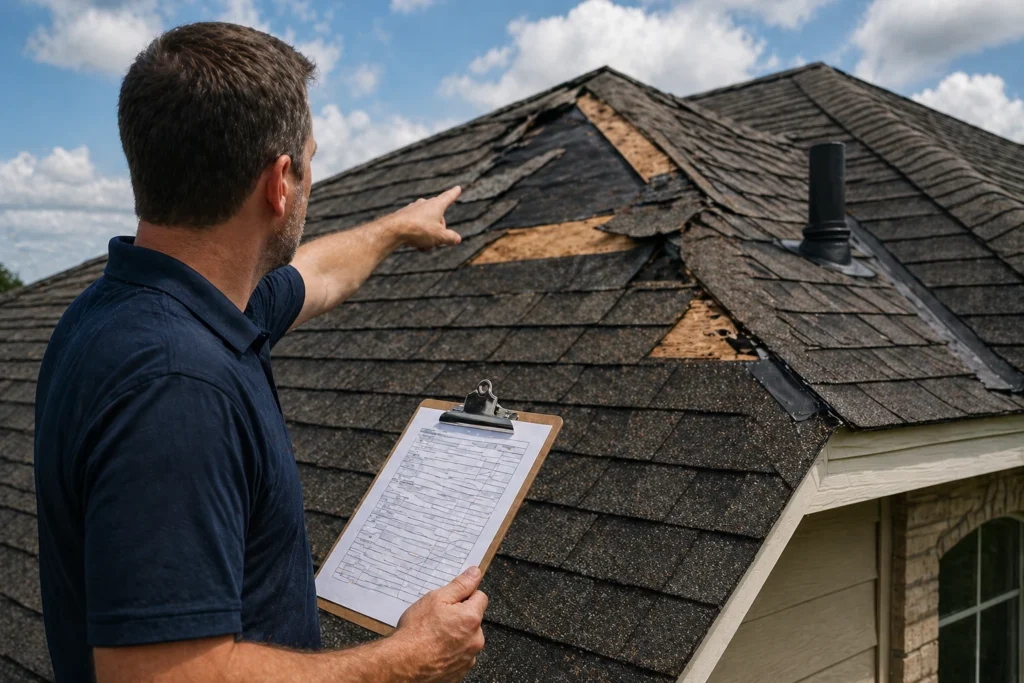
At this point, you need an independent perspective. The insurance adjuster already evaluated your roof, but their role is limited. They assess. They don’t advocate. A professional roofing inspection shifts that dynamic. Now you have someone identifying damage with your interests in mind.
A strong inspection report should include detailed damage mapping, clear photographic evidence, and a breakdown of how hail impacts your specific roofing material. It should also explain whether the damage affects functionality or lifespan. This report becomes your anchor. It supports your request for reconsideration and provides a technical basis for your argument. Without it, you’re relying on opinions. With it, you’re presenting facts.
Step 5: Request a Reinspection from Your Insurance Company
Now you act. A reinspection is your first formal challenge to the denial. It’s your opportunity to present new evidence and show that the initial evaluation was incomplete. Submit your documentation along with the independent inspection report. Clearly outline what was missed. Keep your tone professional and focused.
This isn’t about proving the insurer wrong in a confrontational way. It’s about showing that additional information changes the conclusion. Timing is important. The sooner you request a reinspection, the more relevant your evidence remains.
Step 6: File a Formal Appeal
If the reinspection doesn’t resolve the issue, escalate to a formal appeal. Your appeal should directly address each reason for denial. If the insurer claims no functional damage, provide evidence that contradicts that conclusion. If they cite wear and tear, show how the damage aligns with hail impact patterns.
Include all supporting documents. Photos, reports, weather data. Everything. Think of this process like building a structured system each piece must support the next. In some ways, it resembles complex frameworks studied in fields like Category theory, where relationships between components define the strength of the entire structure. The stronger your connections, the harder your claim is to dismiss.
Step 7: Understand the Supplement Process
Even after a denial, you can still expand your claim. Supplements allow you to add scope, adjust pricing, and include damage that was previously overlooked. This is one of the most powerful tools available to homeowners, yet it’s often underused.
Hail Damage Claim Supplements: What Carriers Miss in Their Scope becomes especially relevant here. Insurance estimates frequently leave out critical components. Flashing, underlayment, vents, and structural elements are often underestimated or ignored entirely. By submitting a supplement, you’re not just asking for reconsideration. You’re presenting a revised, more accurate version of the claim. This step can significantly increase your payout when handled correctly.
Step 8: Consider Hiring a Public Adjuster

At some point, you need to evaluate whether you should continue handling the claim yourself. Public adjusters represent homeowners, not insurance companies. Their goal is to maximize the value of your claim and ensure all damage is properly accounted for.
The difference between Public Adjuster vs. Insurance Adjuster for Hail Claims in Texas is significant. One works to protect the insurer’s interests. The other works to protect yours. A public adjuster can reassess your damage, rebuild your claim, and handle negotiations. They understand policy language, pricing systems, and documentation standards. For complex or disputed claims, their involvement can change the outcome entirely.
Step 9: Know Your Legal Options
If all else fails, legal action becomes a consideration. Insurance companies are required to act in good faith. When they don’t, homeowners have the right to challenge that behavior.
You can file a complaint with the Texas Department of Insurance or consult an attorney who specializes in insurance disputes. In some cases, legal pressure is what forces resolution. This step isn’t always necessary, but it’s important to understand your options.
Common Mistakes That Hurt Your Chances After a Denial
Even strong claims can fail if handled incorrectly. Accepting the denial too quickly is one of the biggest mistakes. So is waiting too long to respond. Time weakens your position. Incomplete documentation is another issue. Without strong evidence, your claim lacks support.
Relying solely on the insurance inspection can also limit your outcome. Independent verification is critical. Avoiding these mistakes keeps your claim strong and your options open.
Real Scenario: Turning a Denied Claim Into an Approved One
A homeowner in Denton files a claim after a hailstorm. The initial inspection finds minimal damage, and the claim is denied. Instead of stopping, the homeowner takes action. They schedule a second inspection, document the damage thoroughly, and gather weather data. They request a reinspection and submit a supplement outlining missed items. The result is a full approval. This happens more often than people think. Especially in Denton, where storm patterns create damage that isn’t always obvious at first glance.
Why Hail Claims in Texas Are Frequently Disputed
Texas experiences some of the most severe hail activity in the country. That leads to a high volume of claims and increased scrutiny from insurers. More claims mean stricter evaluations. Insurers look closely at every detail, often leading to more denials and partial approvals. In Denton, this pattern is common. Homeowners face challenges not because damage doesn’t exist, but because it wasn’t documented clearly enough the first time. Understanding this environment helps you prepare a stronger claim.
Pro Tips to Strengthen Your Case
Strong claims are built on preparation. Document your roof before and after storms. Keep maintenance records. Schedule regular inspections. Act quickly after hail events. The sooner you gather evidence, the stronger your case becomes. Stay organized. Keep all documents, photos, and communication in one place. Small steps create big advantages.
Final Thoughts: Don’t Let a Denial Be the Final Word
A denial feels final, but it isn’t. If you’re dealing with What to Do If Your Hail Claim Was Denied in Texas, remember that you still have options. You can reinspect, document, appeal, supplement, and negotiate. Each step strengthens your position. Homeowners in Denton face this situation every year. Those who act strategically often turn denials into approvals. The outcome isn’t determined by the first decision. It’s determined by what you do next.
FAQs
Yes, especially if you have new evidence or documentation that wasn’t included in the original claim.
It depends on your policy, but acting quickly improves your chances and keeps your claim relevant.
Insurance companies often cite lack of visible damage or classify issues as wear and tear.
Yes, an independent inspection can uncover damage the insurance adjuster may have missed.
They can strengthen your case, handle negotiations, and often improve your claim outcome.
Clear photos, professional inspection reports, and verified weather data are the most effective.
Usually not, unless it impacts the functionality or lifespan of the roof.
In some cases, yes especially if new damage occurs or additional evidence is discovered.
A supplement is an additional request for coverage that includes missed or underestimated damage.
If your claim is repeatedly denied or mishandled, legal guidance may be necessary.